Bloodlines of the Night
Vampires have haunted human imagination for centuries. From ancient Slavic revenants and Mesopotamian blood spirits to the refined aristocrats of Victorian fiction, these beings embody our deepest fears and secret desires. Vampire lore evolved alongside civilization, transforming from rural superstition into global myth. Literature, cinema, and art shaped Gothic vampires into icons of forbidden immortality, seduction, and rebellion against death itself. In modern culture, Vampire mythology blends horror with elegance – creating a timeless aesthetic of darkness and mystery.
Curating Your Sanctuary: Aesthetic of the Damned
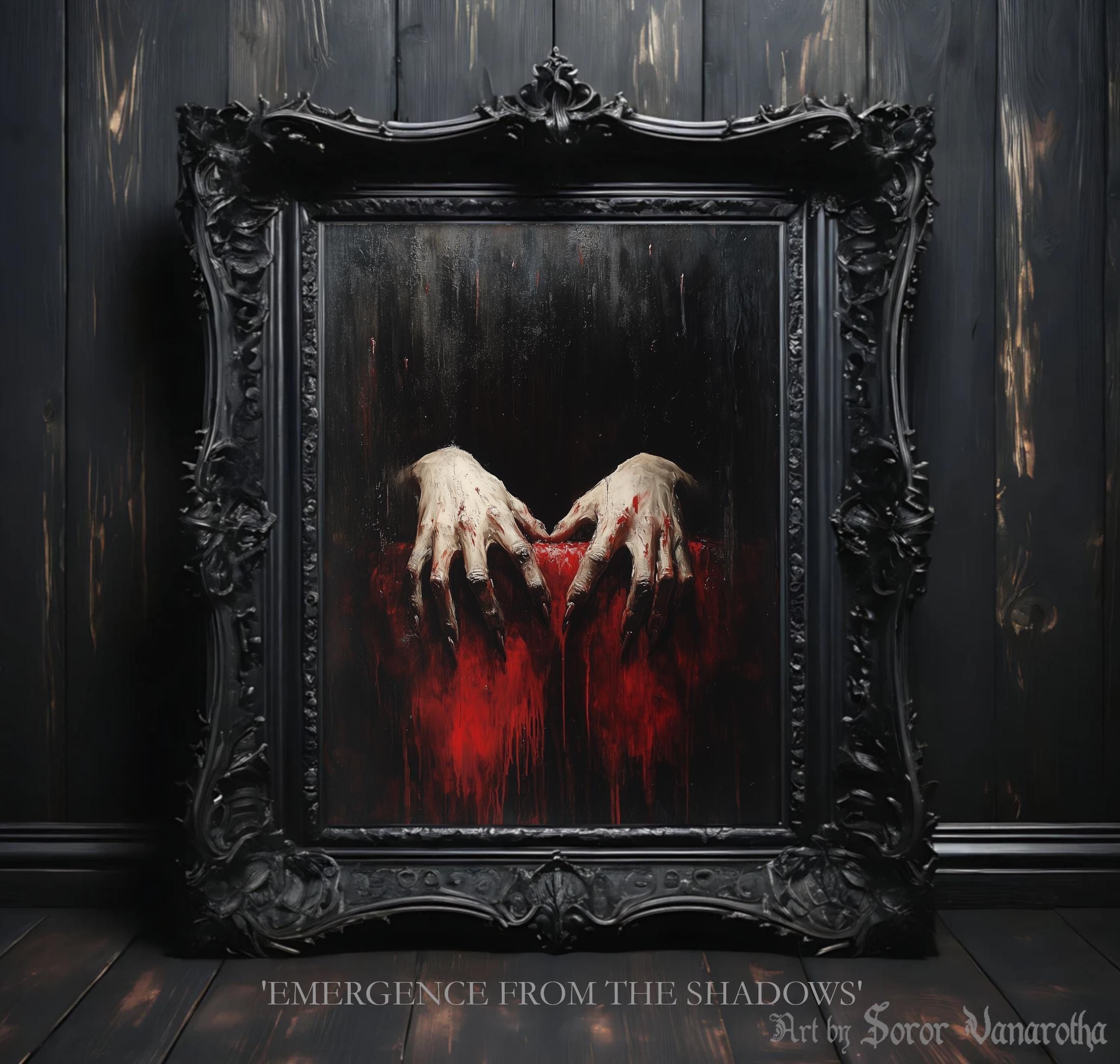
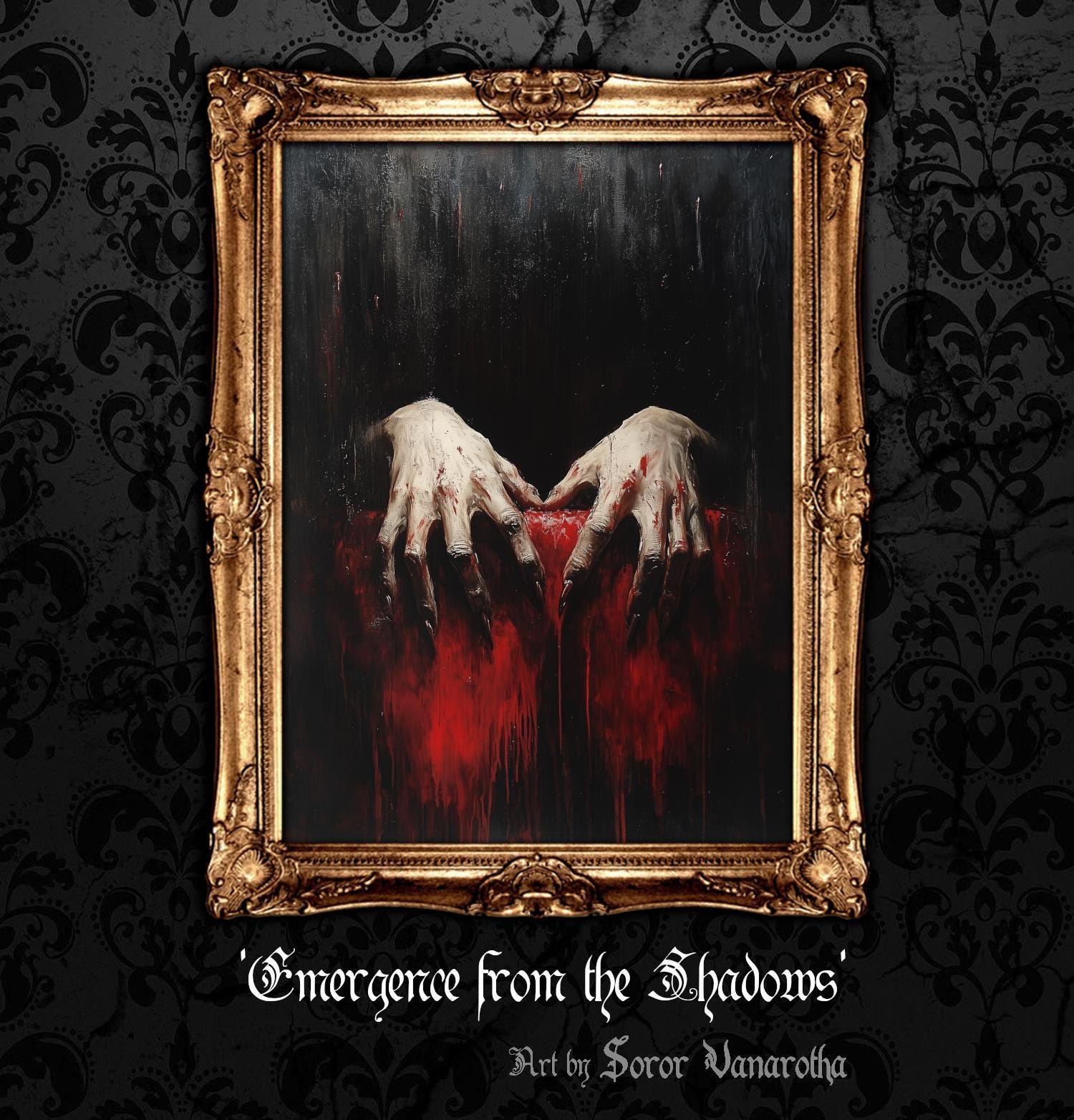
Transforming your living space into a dark gothic interior is not just about decoration; it is about invoking an atmosphere. Using Setnakh products, you can manifest a temple dedicated to Gothic vampires.
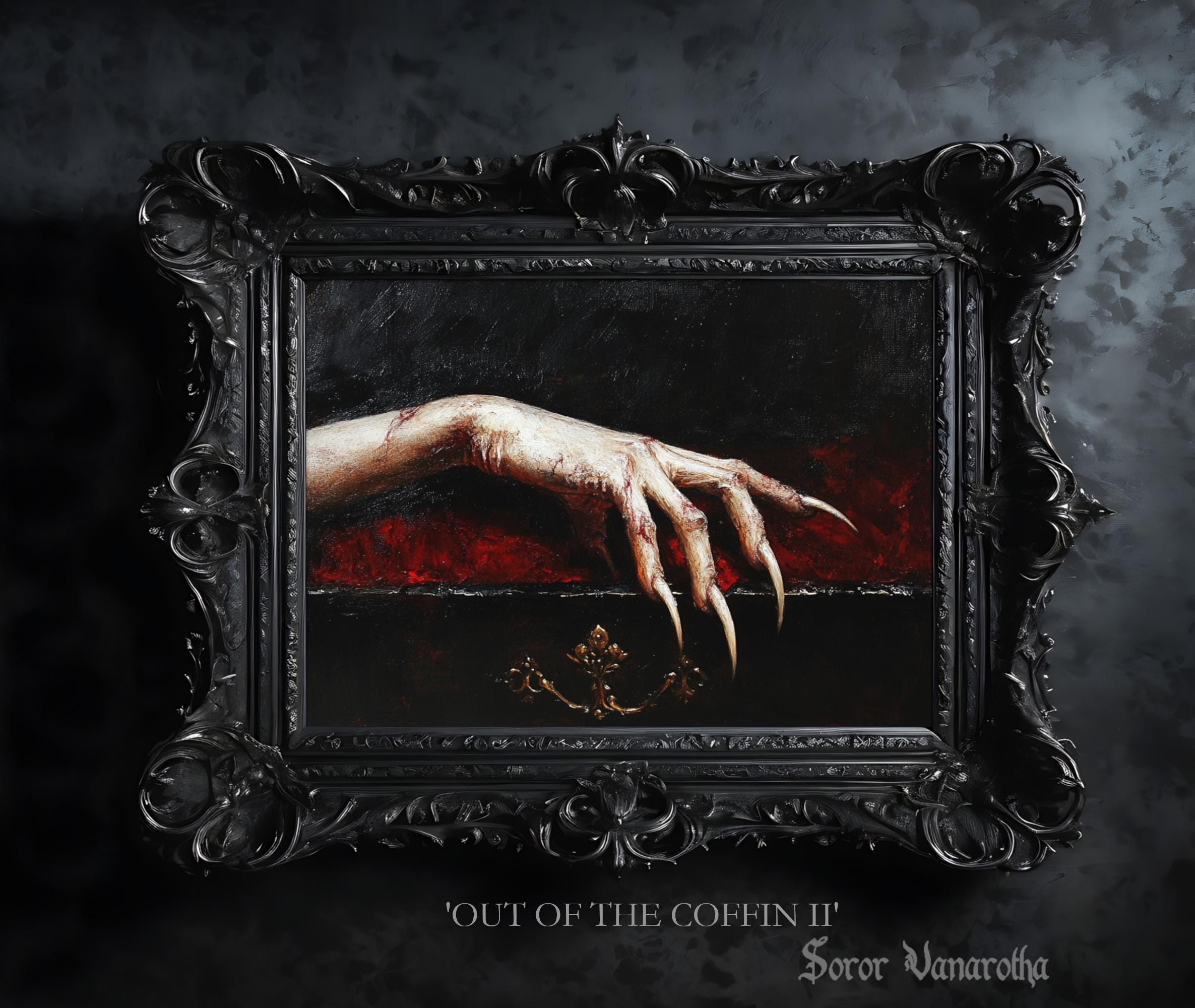
Setnakh’s Vampire collection is curated for those who feel the pull of nocturnal symbolism. Here you’ll find powerful visual talismans:
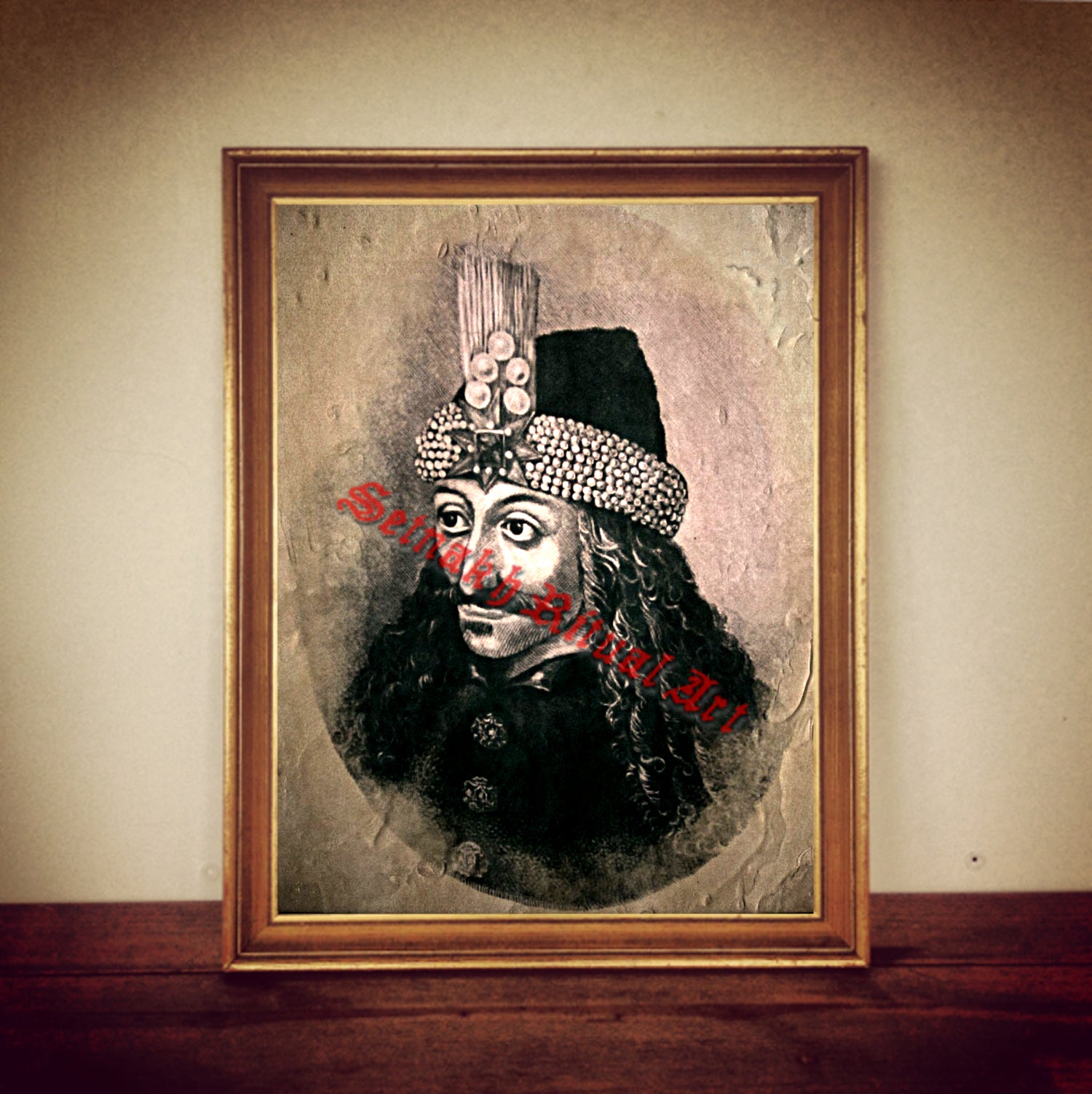
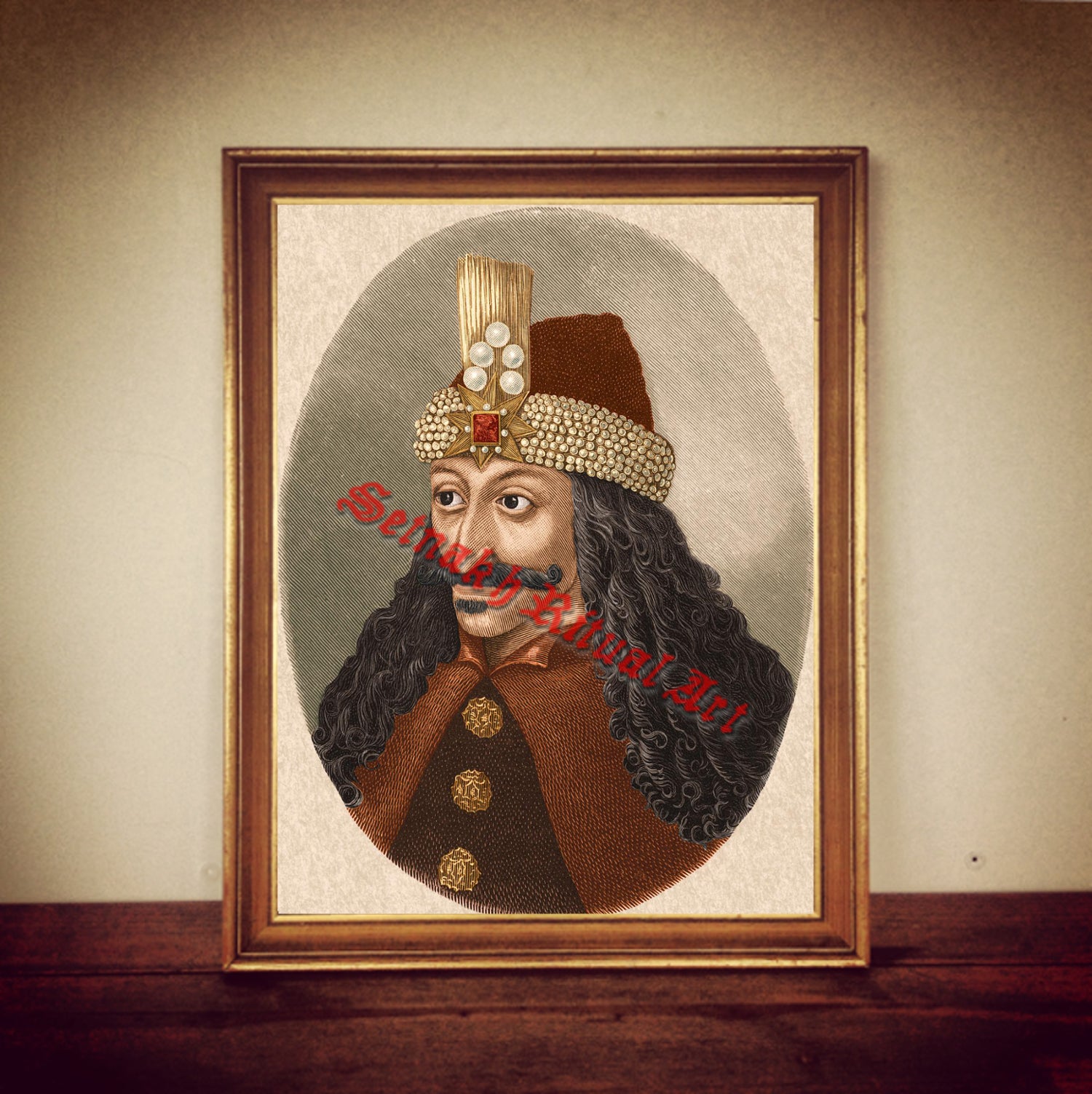
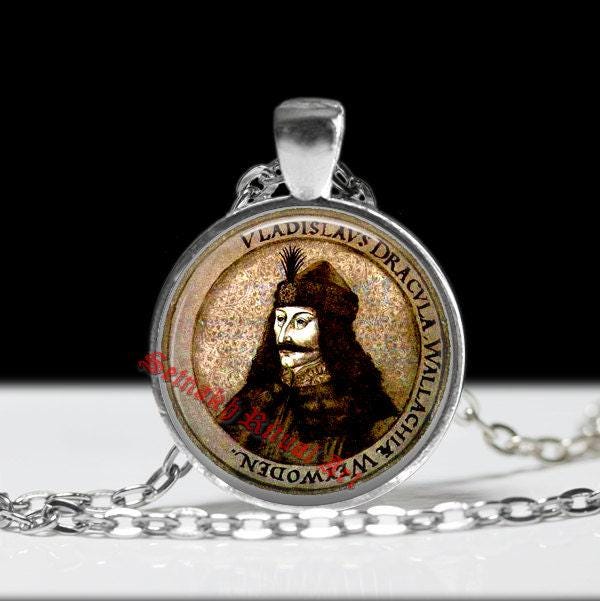
- Vlad the Impaler print wall art—echoing the historical roots of Dracula.
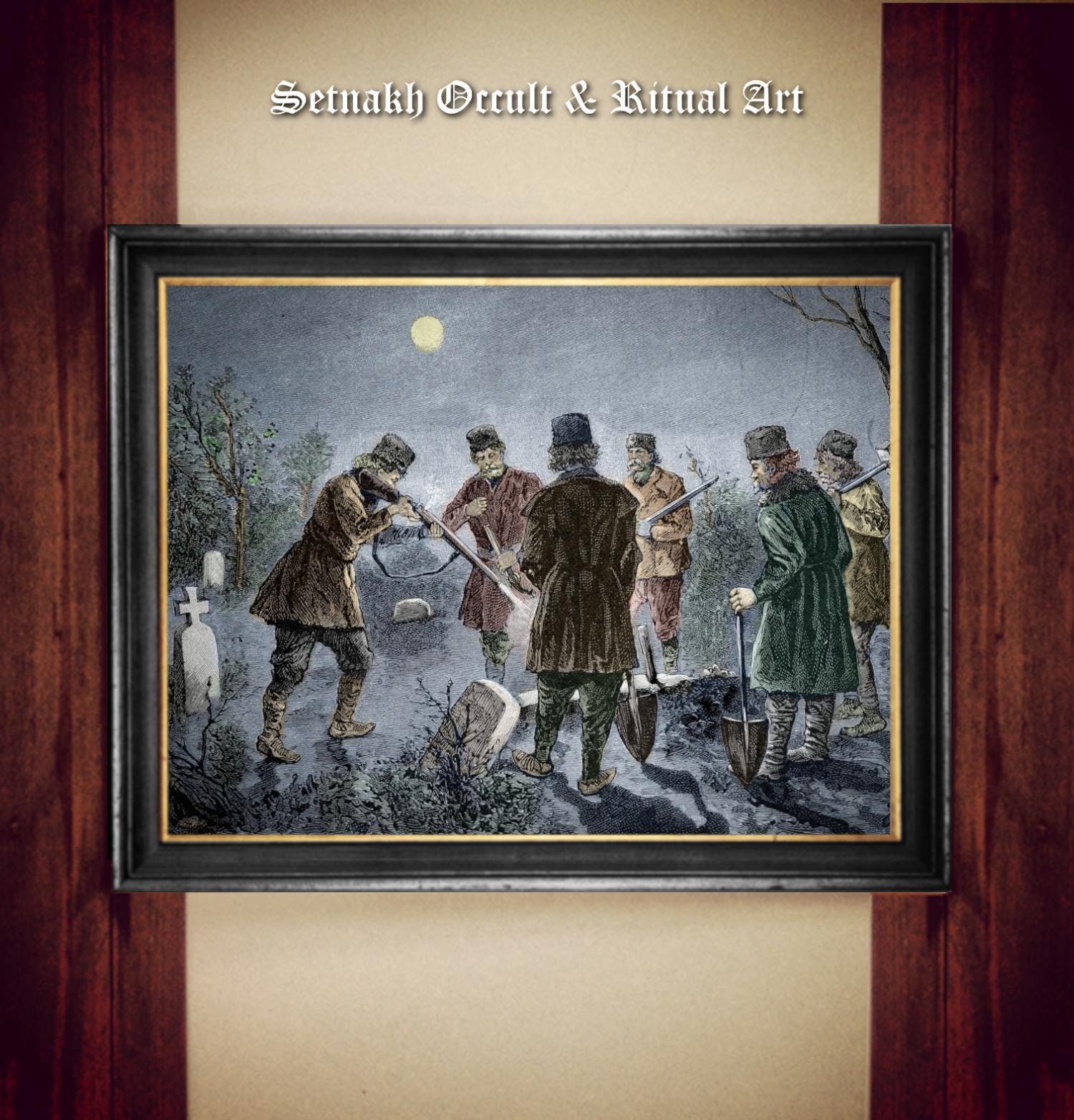
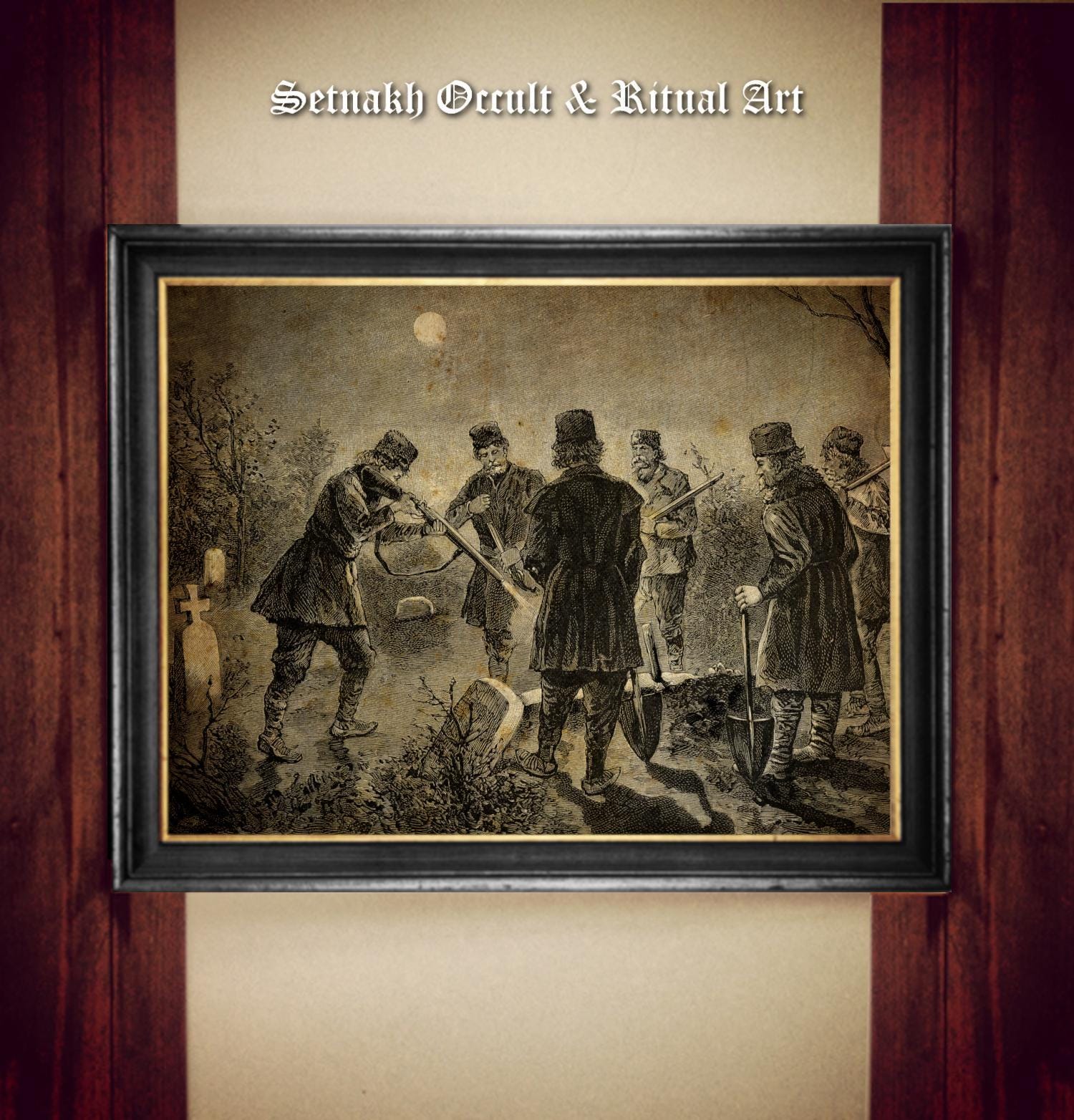
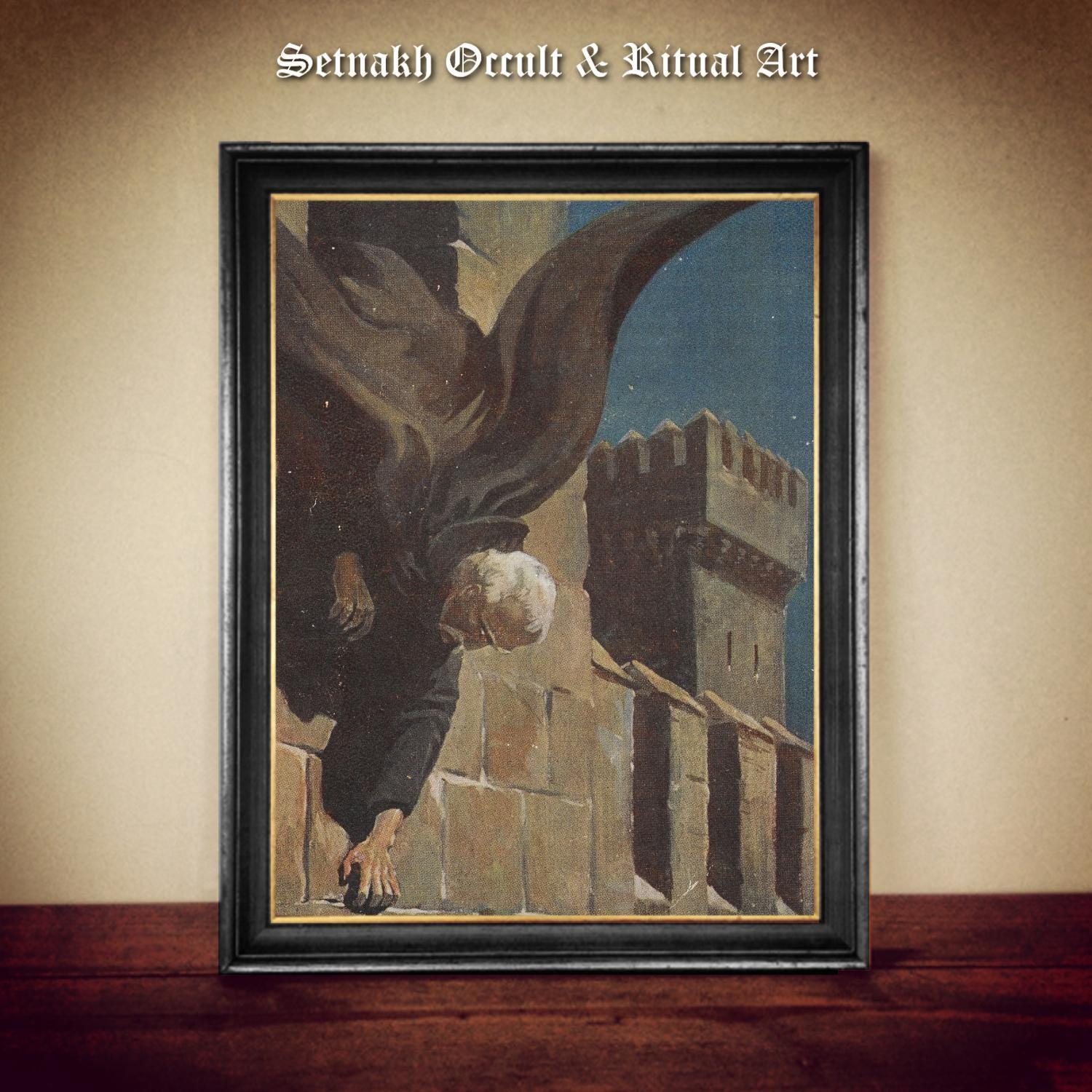
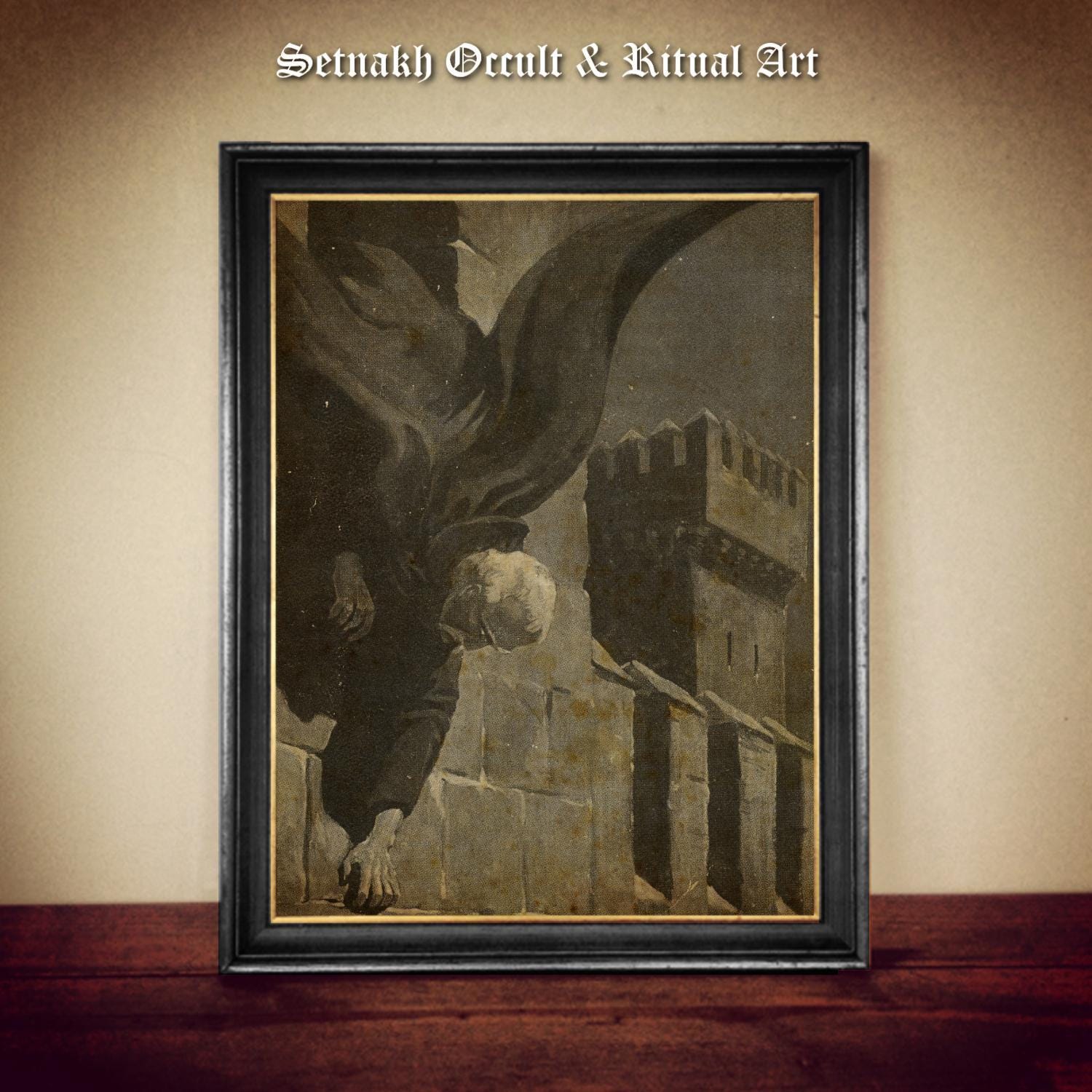
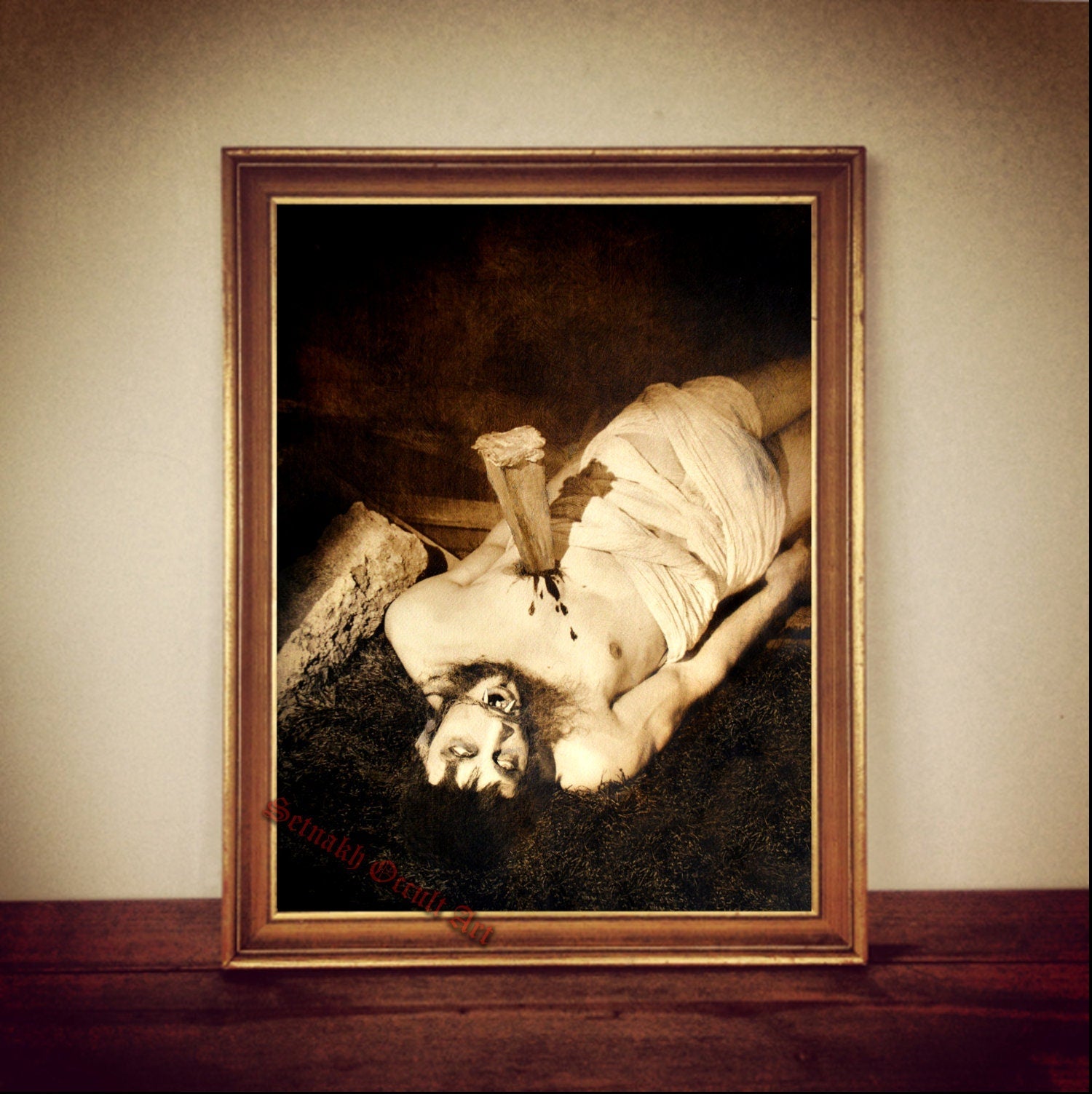
- Antique gothic-style prints such as The Vampire’s Retribution and Countess Elizabeth Bathory.
- Boesław Biegas’ mysterious vampire symbolist handmade paper decor.
- Vintage horror movie prints featuring Nosferatu (1922) and Bela Lugosi as Dracula (1931).
Each piece bridges art and occult heritage, turning walls into gateways of Vampire magic.
The Altar of the Night: Symbols and Sorcery
To understand the vampire is to understand the language of symbols that surrounds them. These elements are not merely theatrical props but hold deep metaphysical weight in Vampire mythology and occult practices.
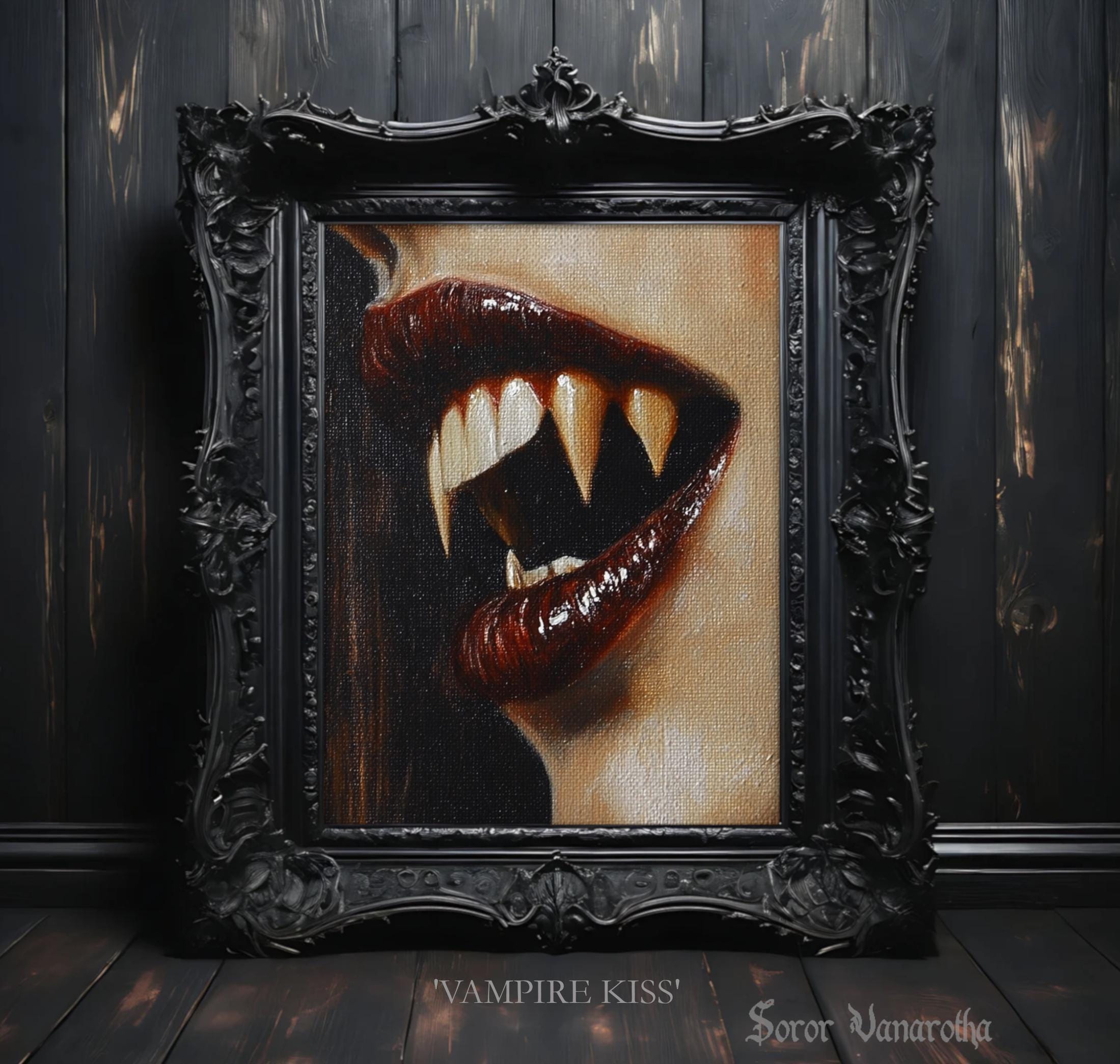
- Vampire Fangs: The most primal symbol, representing the predatory nature of the beast and the transfer of vital life force (blood/energy). They symbolize the penetration of boundaries – both physical and spiritual.
- Transylvania: More than a geographical location, it symbolizes the land beyond the forest, a liminal space where the laws of science fail, and ancient superstition reigns supreme. It is the archetypal subconscious landscape.
- Crosses: A symbol of the divine order and solar power. In vampirology, it represents the repulsion of the unholy by the sacred, creating a barrier the undead cannot cross without invitation.
- Garlic: historically used for purification and healing, its strong odor is believed to repel evil spirits and parasites. Symbolically, it represents the distinct vibrancy of life which is antithetical to the cold void of the vampire.
Mirrors: The absence of a reflection signifies the lack of a soul. It is a reminder that the vampire is a physical shell with no spiritual interior, detached from the cycle of redemption.
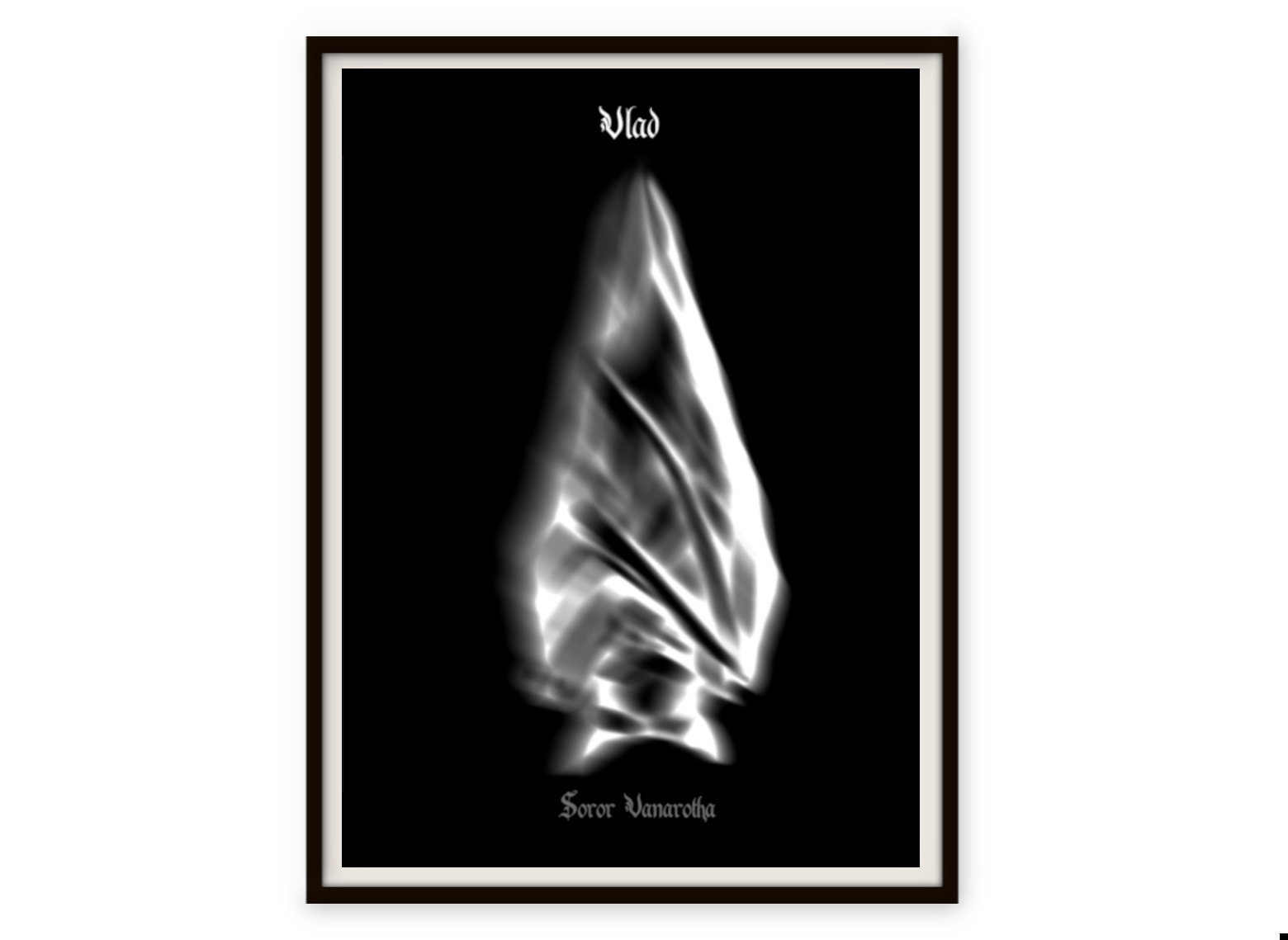
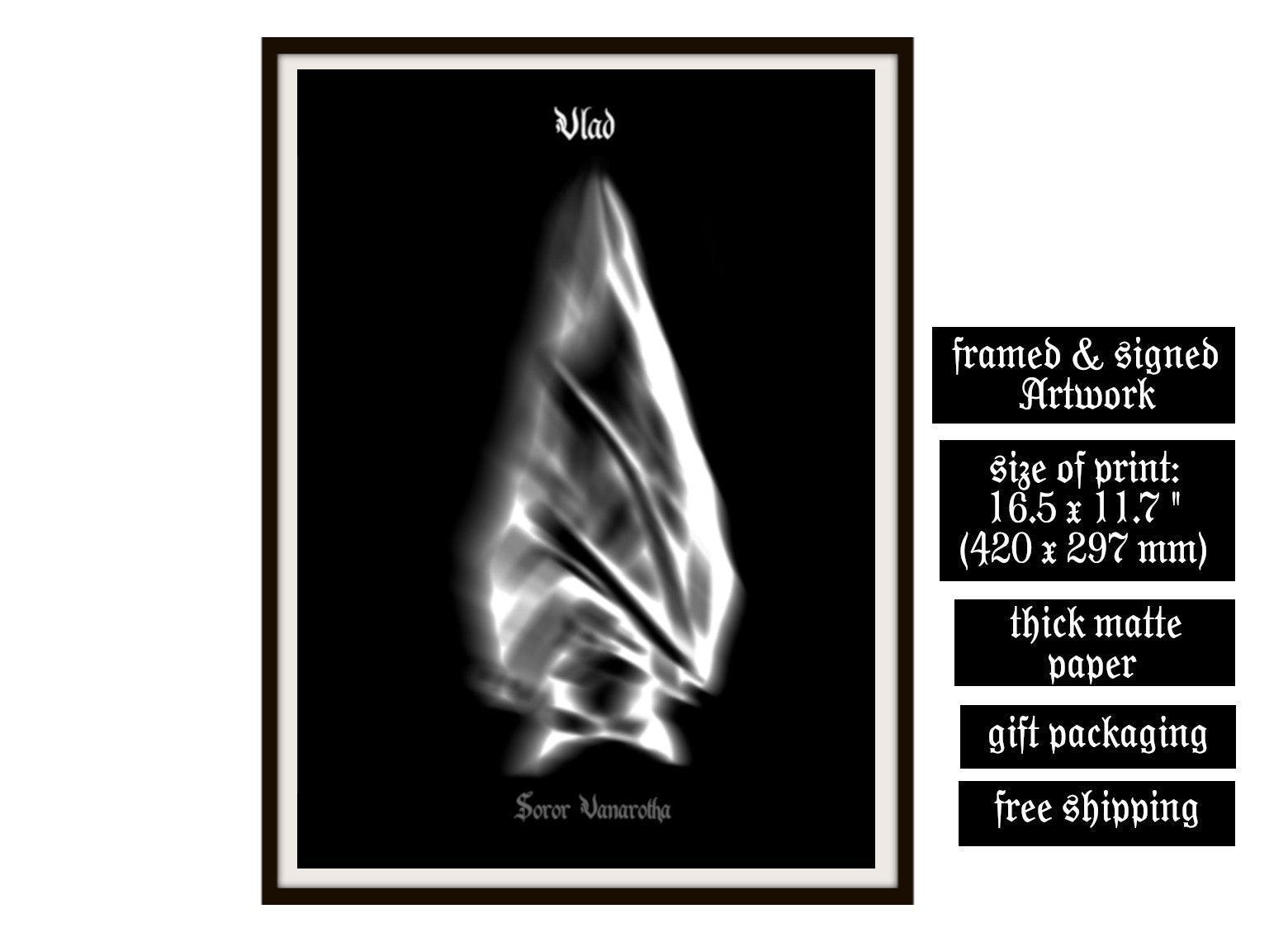
- Bats: Creatures of the twilight, they symbolize the ability to navigate the darkness and the transformative power of the vampire to shapeshift and transcend human limitations.
In the realm of the occult, the influence of vampire rituals is profound. Practitioners of the Left-Hand Path often view the vampire not as a literal reanimated corpse, but as a metaphysical archetype of energy manipulation and psychic predation. Vampire magic focuses on the accumulation of vital energy, the strengthening of the will, and the pursuit of immortality through spiritual legacy.
Curate a dark gothic interior with Setnakh by pairing vintage film prints with antique gothic reproductions and handmade symbolist pieces for layered storytelling. These items are designed to be both decorative and evocative – ideal for collectors of Vampire mythology and lovers of ritual aesthetics.